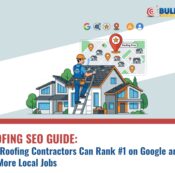
How Roofing Contractors Can Rank #1 on Google and Get More Local Jobs
Roofing contractors rely heavily on local customers. When a homeowner searches for a roof repair near a roof replacement contractor, they are usually ready to hire someone immediately. The question is: Is your roofing company showing up in those search results?
This is where Roofing SEO becomes essential. Search Engine Optimization helps roofing businesses appear higher on Google, making it easier for potential customers to find them when they need roofing services.
With the right strategy, roofing companies can consistently generate qualified leads, increase phone calls, and secure more jobs without relying entirely on paid advertising.
In this guide, we’ll explore how roofing contractors can improve their online visibility, attract local customers, and grow their business using proven SEO and digital marketing techniques.
Why Roofing SEO Matters for Contractors
Most homeowners start their search for roofing services online. Google has become the primary place where people compare contractors, read reviews, and request quotes.
If your roofing business does not appear on the first page of search results, potential customers are likely contacting your competitors instead.
A strong Roofing business SEO strategy helps contractors:
- Rank higher in Google search results
- Increase website traffic from local customers
- Generate consistent roofing lead generation opportunities
- Build trust and authority in their service area
- Reduce dependency on expensive paid ads
Unlike traditional marketing methods, SEO focuses on attracting customers who are already searching for roofing services.
Understanding How Google Ranks Roofing Companies
Google uses hundreds of ranking factors to determine which websites appear in search results. However, roofing contractors can focus on a few key areas that have the biggest impact.
1. Website Quality and User Experience
Your website is the foundation of your online presence. Google prioritizes websites that are easy to navigate, load quickly, and provide useful information.
A well-optimized roofer website design should include:
- Fast page loading speed
- Mobile-friendly layout
- Clear service pages
- Easy contact options
- Helpful content for homeowners
When users have a good experience on your site, Google sees it as a signal that your business provides value.
2. Local Search Signals
Most roofing jobs are local. That means roofing local SEO plays a critical role in helping contractors appear in nearby searches.
Google evaluates several local signals, including:
- Google Business Profile optimization
- Accurate business name, address, and phone number
- Customer reviews and ratings
- Local citations and directory listings
When these elements are properly optimized, your roofing company has a much better chance of appearing in local search results and Google Maps.
3. Relevant Keywords and Content
Keywords help Google understand what services your business offers. For roofing companies, this means targeting search terms that homeowners use when looking for contractors.
Examples include:
- Roof repair services
- Emergency roof leak repair
- Roof replacement contractor
- Storm damage roofing services
Strategically using keywords like Roofing business SEO, roofing lead generation, and roofing marketing services within your content helps search engines connect your website with relevant searches.
The Role of Content in Roofing SEO
Content marketing is one of the most effective ways to attract organic traffic and establish authority in the roofing industry.
When roofing contractors publish helpful, informative content, they answer common homeowner questions and position themselves as trusted experts.
Examples of valuable roofing content include:
- Guides on choosing roofing materials
- Tips for identifying roof damage
- Seasonal roof maintenance advice
- Cost breakdowns for roof replacement
High-quality content improves your website’s visibility while also helping customers feel confident in your expertise.
Local SEO Strategies That Bring Roofing Jobs
Local SEO focuses on improving your visibility in geographically targeted searches.
When someone searches for roofing services in your city, Google prioritizes businesses located nearby.
Here are the key roofing local SEO strategies contractors should implement.
Optimize Your Google Business Profile
Your Google Business Profile is one of the most powerful tools for attracting local customers.
Make sure your profile includes:
- Accurate business information
- Updated contact details
- Service areas
- High-quality photos of projects
- Regular updates and posts
Encouraging satisfied customers to leave positive reviews also improves your credibility and search rankings.
Build Local Citations
Citations are mentions of your business across directories and local websites. These listings help search engines verify that your roofing company is legitimate.
Common citation sources include:
- Business directories
- Local chamber of commerce websites
- Industry directories
- Home improvement platforms
Consistency is critical. Your business name, address, and phone number should match across all platforms.
Create Location-Specific Pages
If your roofing company serves multiple cities, creating location-based pages helps target those areas individually.
For example:
- Roof Repair in Miami
- Roof Replacement in Fort Lauderdale
- Storm Damage Roofing in Tampa
These pages help your business appear in searches specific to each service area.
How Roofing Marketing Services Generate Consistent Leads
SEO works best when combined with other digital marketing strategies. Many roofing contractors partner with a specialized roofing marketing agency to implement a complete marketing system.
Professional roofing marketing services often include:
- Search Engine Optimization
- Pay-per-click advertising
- Website design and development
- Local SEO management
- Lead tracking and analytics
Together, these strategies help roofing businesses attract both organic and paid traffic.
Using Roofing Google Ads to Capture Immediate Leads
While SEO builds long-term visibility, roofing Google Ads can generate leads quickly. Google Ads places your roofing company at the top of search results when homeowners are actively looking for services.
Effective campaigns focus on:
- High-intent keywords
- Location targeting
- Call-only ads
- Landing pages optimized for conversions
When managed properly, Google Ads can complement SEO efforts and create a steady flow of inquiries.
The Importance of Conversion-Focused Website Design
Getting traffic to your website is only part of the equation. Your site must also convert visitors into leads.
A well-structured roofer website design should guide visitors toward taking action.
Key conversion elements include:
- Clear call-to-action buttons
- Visible phone numbers
- Simple contact forms
- Service descriptions
- Customer reviews
When users can easily request a quote or schedule a consultation, your chances of winning the job increase significantly.
Building Authority with Backlinks
Backlinks are links from other websites pointing to your roofing site. They signal to Google that your content is trustworthy and valuable.
High-quality backlinks often come from:
- Industry blogs
- Local news websites
- Business partnerships
- Guest articles
A reliable roofing SEO company focuses on acquiring relevant, authoritative backlinks that strengthen your website’s reputation.
Common Roofing SEO Mistakes to Avoid
Many roofing businesses struggle with SEO because of avoidable mistakes.
Some common issues include:
- Keyword stuffing that makes the content unnatural
- Slow-loading websites
- Incomplete Google Business profiles
- Ignoring mobile optimization
- Lack of consistent content updates
Avoiding these mistakes can significantly improve your search rankings and online visibility.
How Bullseye Marketing Consultants Supports Roofing Businesses
Digital marketing for roofing companies requires industry knowledge, technical expertise, and consistent optimization.
Bullseye Marketing Consultants works with service-based businesses to create targeted digital marketing strategies that drive measurable growth.
Their approach focuses on:
- Strategic Roofing business SEO implementation
- Data-driven roofing lead generation strategies
- Professional roofer advertising campaigns
- Optimized website design for roofing contractors
By combining SEO, paid advertising, and content marketing, roofing companies can build a reliable pipeline of leads and maintain long-term growth.
Tracking SEO Performance and Marketing Results
One of the biggest advantages of digital marketing is the ability to track results in real time.
Important performance metrics include:
- Website traffic growth
- Keyword ranking improvements
- Phone calls and form submissions
- Cost per lead
- Conversion rates
Regular analysis allows contractors to adjust their strategy and continuously improve results.
Future Trends in Roofing business SEO
Search engines are constantly evolving, and roofing contractors must adapt to stay competitive.
Emerging trends shaping Roofing business SEO include:
- Voice search optimization
- AI-powered search algorithms
- Enhanced local search features
- Video marketing integration
- Improved mobile user experiences
Businesses that stay ahead of these trends will maintain a strong competitive advantage.
Conclusion
The roofing industry is highly competitive, and homeowners increasingly rely on online searches to find trusted contractors. Without a strong digital presence, even the most skilled roofing companies can struggle to attract consistent customers.
A strategic Roofing SEO plan helps contractors rank higher on Google, reach local homeowners, and generate steady leads. When combined with targeted roofer advertising, effective website design, and optimized roofing marketing services, SEO becomes a powerful growth engine.
For roofing businesses looking to increase visibility, build authority, and secure more local jobs, investing in professional digital marketing is no longer optional it’s essential.
Partnering with experienced professionals like Bullseye Marketing Consultants can help roofing contractors implement proven strategies that drive measurable results and long-term business growth.
If your goal is to rank higher on Google and generate more qualified roofing leads, now is the perfect time to start building a strong SEO foundation.
FAQs
- What is Roofing SEO, and why is it important for contractors?
Roofing SEO is the process of optimizing a roofing company’s website and online presence so it appears higher in Google search results. It helps contractors attract homeowners who are actively searching for roofing services, leading to more qualified leads, phone calls, and local job opportunities.
- How long does it take to see results from Roofing business SEO?
SEO is a long-term strategy. Most roofing companies begin seeing noticeable improvements in search rankings and website traffic within 3 to 6 months. However, strong local competition or new websites may take longer to achieve top rankings.
- What is the difference between Roofing business SEO and Roofing Google Ads?
Roofing business SEO focuses on improving your website’s organic search rankings, which generate long-term traffic without paying for each click. In contrast, roofing Google Ads are paid advertisements that appear at the top of search results and can generate leads immediately but require an ongoing advertising budget.
- How can roofing contractors generate more local leads online?
Contractors can improve roofing lead generation by optimizing their website, targeting local keywords, improving Google Business Profile listings, collecting customer reviews, publishing helpful roofing content, and running targeted advertising campaigns.
- Should roofing companies hire a roofing marketing agency?
Hiring a specialized roofing marketing agency can help contractors implement effective digital marketing strategies such as SEO, website optimization, and advertising campaigns. This allows roofing businesses to focus on delivering quality services while experts manage their online growth and lead generation.